
Turning Back the Clock
The Science of Surgical Facial Rejuvenation
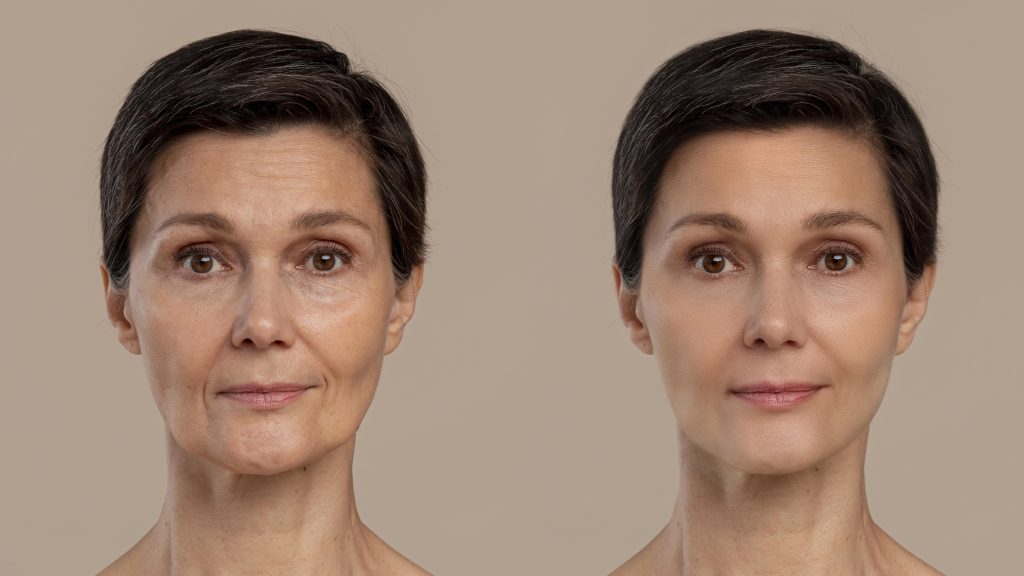
As we age, the face undergoes a predictable process: skin loses its elasticity, fat deposits shift or diminish, and bone density decreases. While non-surgical treatments like Botox and fillers have grown in popularity, plastic surgery remains the “gold standard” for those seeking significant, long-lasting structural changes.
The Modern Facelift (Rhytidectomy)
The centerpiece of facial rejuvenation is the facelift. Modern techniques have moved away from the “pulled” or “windblown” look of previous decades. Today, surgeons often perform SMAS (Superficial Musculoaponeurotic System) lifts or Deep Plane facelifts. These procedures don’t just tighten the skin; they reposition the underlying muscle and connective tissue to a more youthful, vertical position, resulting in a more natural appearance.
Targeted Procedures
Facial aging rarely happens uniformly, leading patients to choose specific procedures:
-
Blepharoplasty (Eyelid Surgery): Often the first surgery people undergo. It removes excess skin and fat pads from the upper or lower eyelids to eliminate a tired or “hooded” look.
-
Brow Lift: Addresses a sagging forehead and heavy eyebrows that can make a person look angry or fatigued.
-
Neck Lift: Focuses on the “turkey neck” or jowls, sharpening the jawline and smoothing the vertical bands in the neck.
The Shift Toward Volumization
Modern plastic surgery recognizes that aging isn’t just about sagging—it’s about loss of volume. Many surgeons now combine traditional lifts with Autologous Fat Transfer. This involves harvesting fat from the patient’s own body (like the abdomen or thighs) and injecting it into the cheeks, temples, or under the eyes to restore the fullness characteristic of youth.
Safety and Realistic Expectations
Surgical rejuvenation requires a significant commitment. Recovery times generally range from two to four weeks for swelling and bruising to subside. Medical professionals emphasize three critical factors for success:
-
Board Certification: Ensuring the surgeon is specifically trained in plastic surgery.
-
Health Maintenance: Smokers or those with uncontrolled medical conditions face higher risks of poor wound healing.
-
Realistic Goals: Surgery can make a person look 10 to 15 years younger, but it does not stop the biological clock entirely.
Conclusion
Facial rejuvenation surgery has evolved into a sophisticated blend of art and medicine. By focusing on deep tissue restoration and volume replacement rather than just skin tightening, modern plastic surgery offers patients a way to align their physical appearance with their internal sense of vitality.